How to Choose Nonstick Pans and a Dutch Oven
2 min read · Last updated 2026-10-30
Two pieces of cookware cover a lot of everyday cooking: a nonstick pan for quick, delicate foods and a Dutch oven for slow, one-pot dishes. They are very different tools, so they are worth thinking about separately.
Nonstick pans
A nonstick coating helps food release easily, which is useful for eggs, pancakes, and fish. Coatings wear over time, so treat the pan gently.
- Utensils: use wood, silicone, or other non-metal tools unless the manufacturer says metal is safe.
- Heat: many manufacturers advise against heating an empty pan or using very high heat. Read the instructions for your pan.
- Condition: if the coating is badly scratched or flaking, many manufacturers recommend replacing the pan.
- Oven use: if you want to move a pan from stove to oven, check the oven-safe limit for the pan and its handle.
Dutch ovens
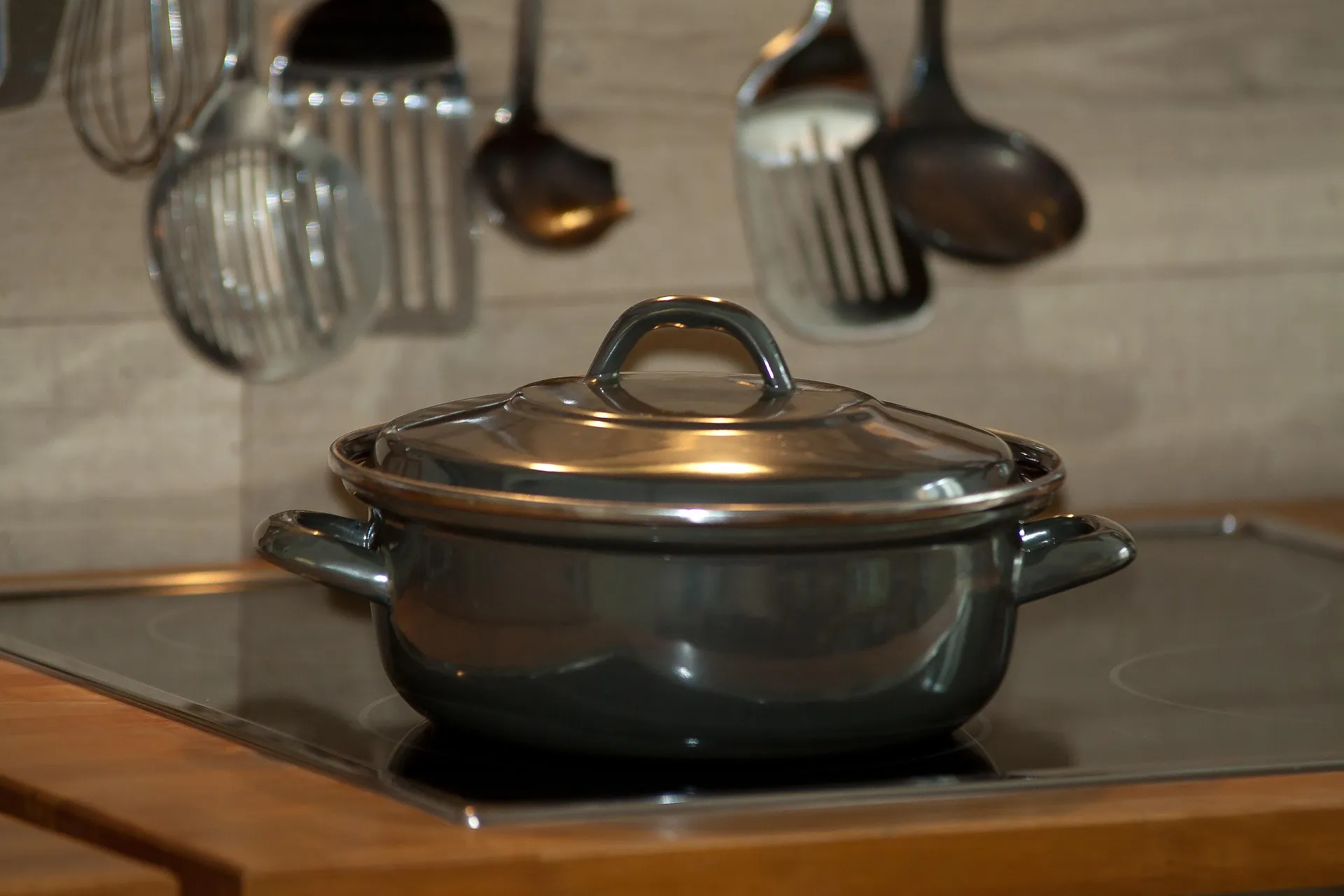
A Dutch oven is a heavy pot with a tight-fitting lid. It holds heat well and works on the stove and in the oven, which makes it useful for soups, stews, braises, and baking bread.
- Enameled cast iron has a coating that does not need seasoning and is easy to clean, but it is heavy and the enamel can chip if it is knocked or heated unevenly.
- Bare cast iron needs seasoning and more care, and can rust if left wet.
- Lighter materials, such as clad stainless steel, are easier to lift but may not hold heat in the same way.
- Size: pick a size that suits the number of people you cook for and fits in your oven and cabinet.
Will it work on your cooktop?
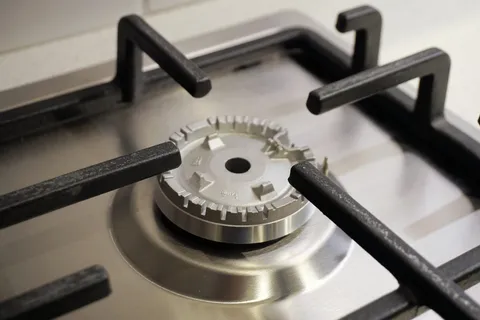
Check that cookware matches your stove. Gas, electric coil, and glass-ceramic cooktops work with most pans. Induction cooktops need cookware with a magnetic base, and the product description should say if it is compatible. A flat bottom helps on smooth-top ranges.
Handles and lids
Look for handles that feel secure and stay comfortable to hold, and check whether they are oven safe. A lid should fit snugly, and its knob should also be rated for the oven if you plan to bake with it.
Caring for what you buy
Cookware lasts longer when it is cleaned and stored the way the manufacturer recommends. See our guide to caring for knives and cookware.
Specifications and care instructions vary by product, so confirm the details with the retailer or manufacturer before you buy.