How to Choose a Food Processor
2 min read · Last updated 2026-10-30
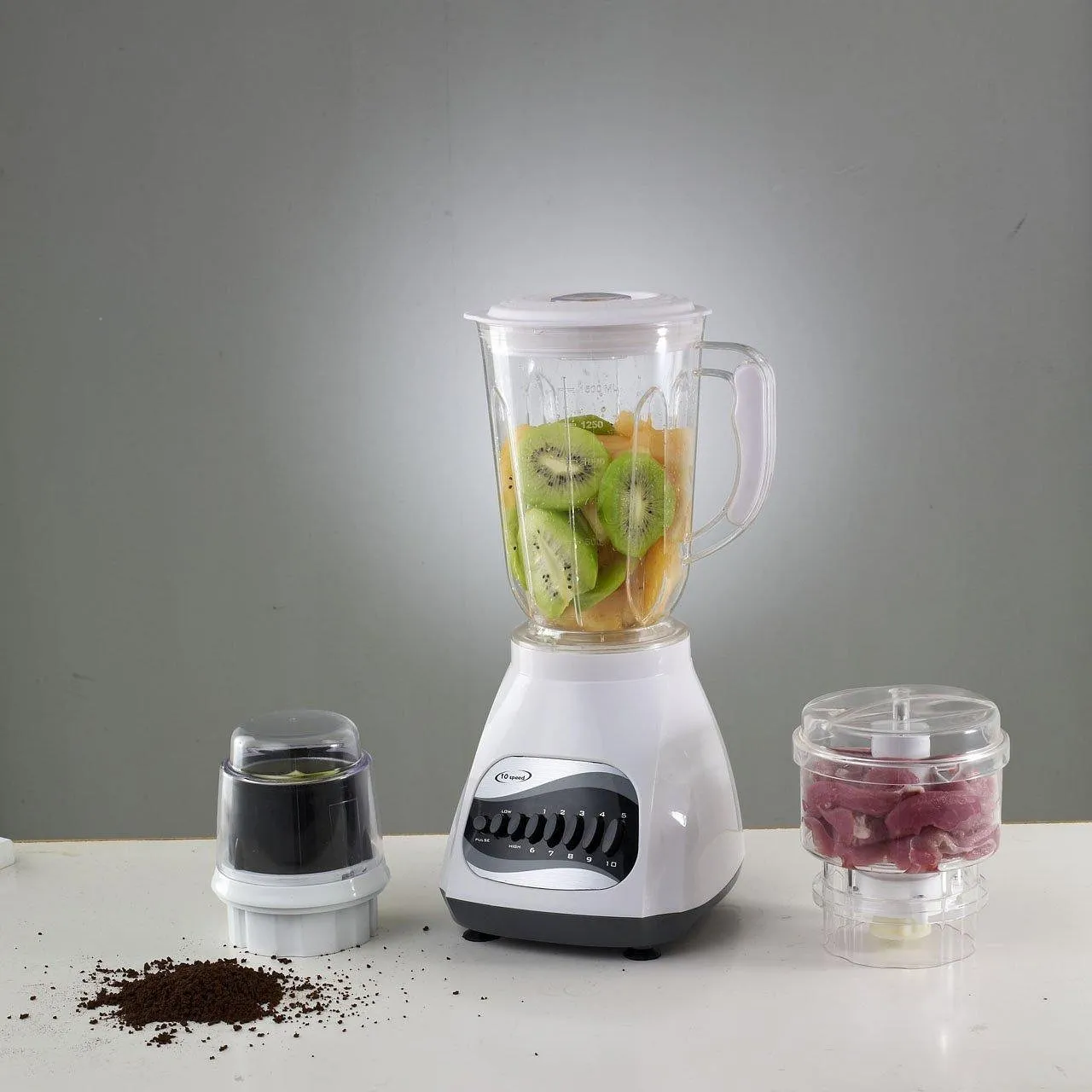
A food processor chops, slices, shreds, and mixes food quickly. It is useful for vegetables, cheese, dips, and some doughs, and it can save a lot of knife work.
Food processor or blender?
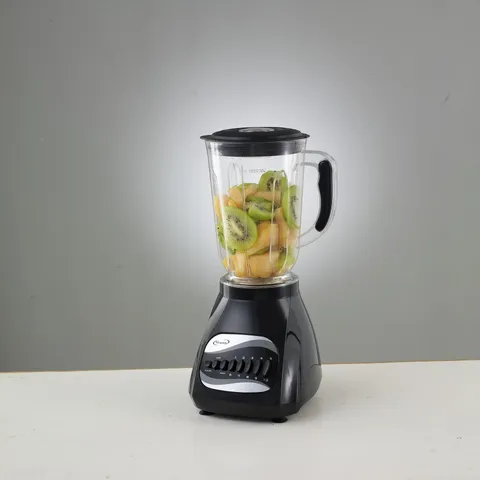
A blender is designed to liquefy, so it is the usual choice for smoothies and smooth soups. A food processor uses blades and discs that cut food into pieces, so it suits chopping, slicing, shredding, and mixing. Some people own both, and some use one for most tasks.
Sizes
- Mini choppers handle small jobs such as herbs, garlic, and nuts.
- Full-size food processors have a large work bowl for bigger batches, such as shredding cheese or slicing a head of cabbage.
Choose a bowl size that matches how much you usually prepare, and think about where you will store it.
Blades and discs
Most include a chopping blade and one or more discs for slicing and shredding. Some include a dough blade for mixing dough. Check which are included, and whether additional attachments are sold separately.
Feed tube
A wide feed tube lets you add larger pieces without cutting them first. A narrow one gives more control for long, thin foods.
Controls and power
Simple models have on, off, and pulse. A pulse function gives control when you want a coarse chop instead of a puree. As with other appliances, wattage alone does not tell you how well a machine performs.
Safety and cleaning
The blades are sharp, so handle them with care, and make sure the lid is locked before running the machine. Check whether the bowl, lid, and blades are dishwasher safe, and consider how you will store the discs safely.
Counter space
Many food processors are heavy, so decide whether you will keep one on the counter or lift it from a cabinet each time you use it.
For small gadgets that handle some of the same jobs, see our guide to kitchen essentials for a first kitchen.
Specifications vary by model, so confirm the details with the retailer before you buy.