How to Choose a Chef's Knife
2 min read · Last updated 2026-10-30
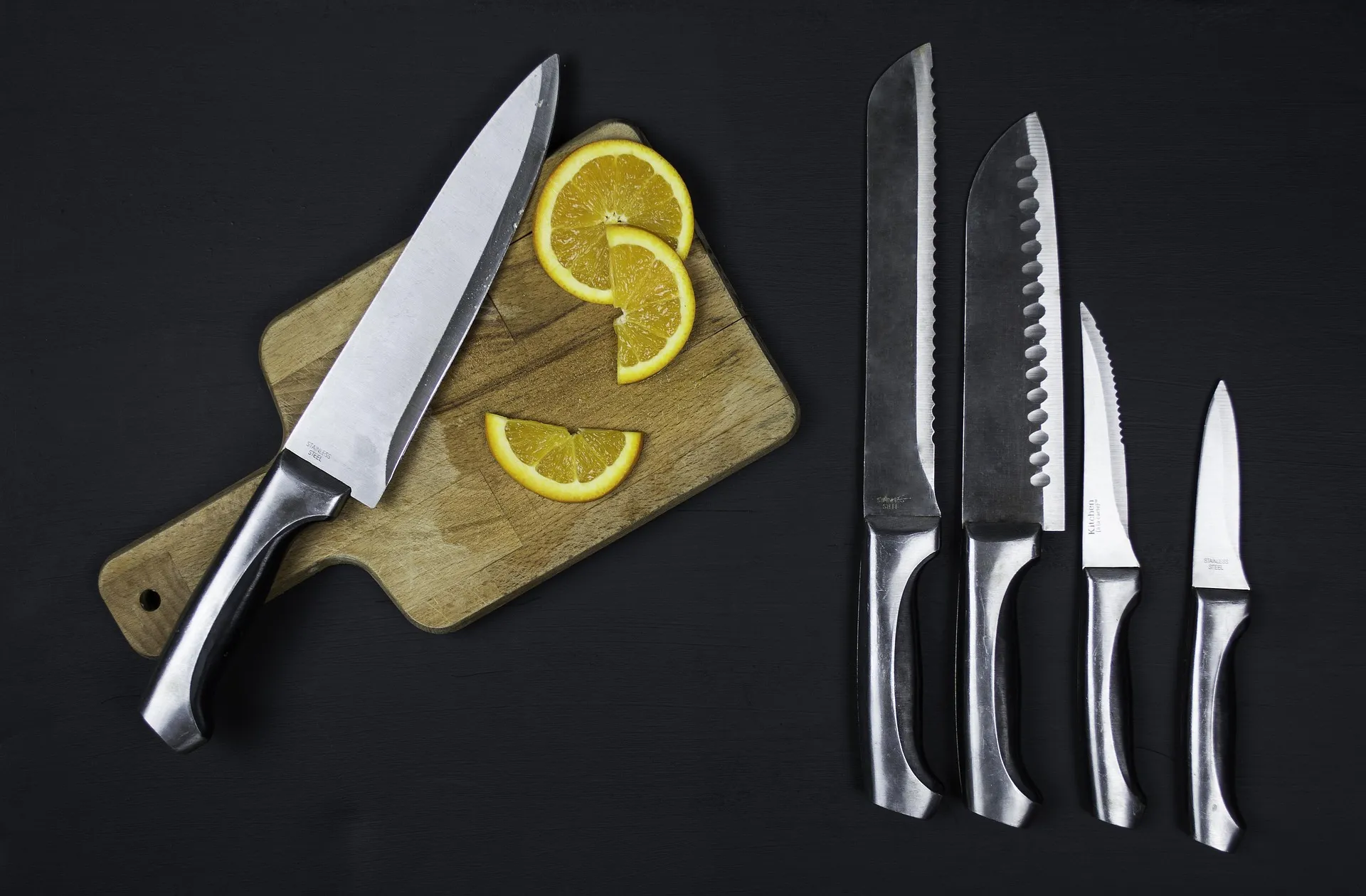
A chef’s knife is the knife most home cooks reach for first. It handles slicing, dicing, and chopping for a wide range of foods. Because comfort and feel matter as much as the specifications, the best choice depends on your hands and how you cook.
Blade length
Chef’s knives are commonly sold in a range of lengths. A longer blade can slice larger items in fewer strokes. A shorter blade can feel easier to control, especially if you have smaller hands or limited counter space. If you can, hold a knife in a store before choosing a length.
Forged or stamped
- Forged blades are shaped from a single piece of steel, often feel heavier, and may include a thick section where the blade meets the handle.
- Stamped blades are cut from a sheet of steel. They are often lighter and may be less expensive.
Neither method is automatically better. A well-made knife of either type can perform well, so judge the knife on balance, edge quality, and comfort.
Steel
- Stainless steel resists rust and stains and is forgiving for everyday kitchens.
- High-carbon steel can take a very sharp edge but can rust or discolor if left wet, so it needs to be dried promptly after washing.
Many knives sit between these, so check how the manufacturer describes the steel and its care requirements.
Handle and balance
Pick up the knife if you can. The handle should feel secure and comfortable, without pressure points. Many people like a knife that feels balanced near where the blade meets the handle, but preference varies.
Keeping the edge
A sharp knife is safer and easier to use than a dull one. Honing helps maintain an edge between sharpenings, while sharpening removes metal to restore the edge when it has dulled. Use a cutting board made of wood or plastic, and avoid cutting on glass, stone, or ceramic surfaces, which can dull the blade quickly.
Care and safety
- Wash by hand and dry the knife right away, unless the manufacturer says it is dishwasher safe.
- Store it in a knife block, on a magnetic strip, or with a blade guard.
- Cut away from your hand, and keep the fingers of your guiding hand curled back.
Details vary by manufacturer, so read the care instructions that come with your knife.